01 — The Ecosystem
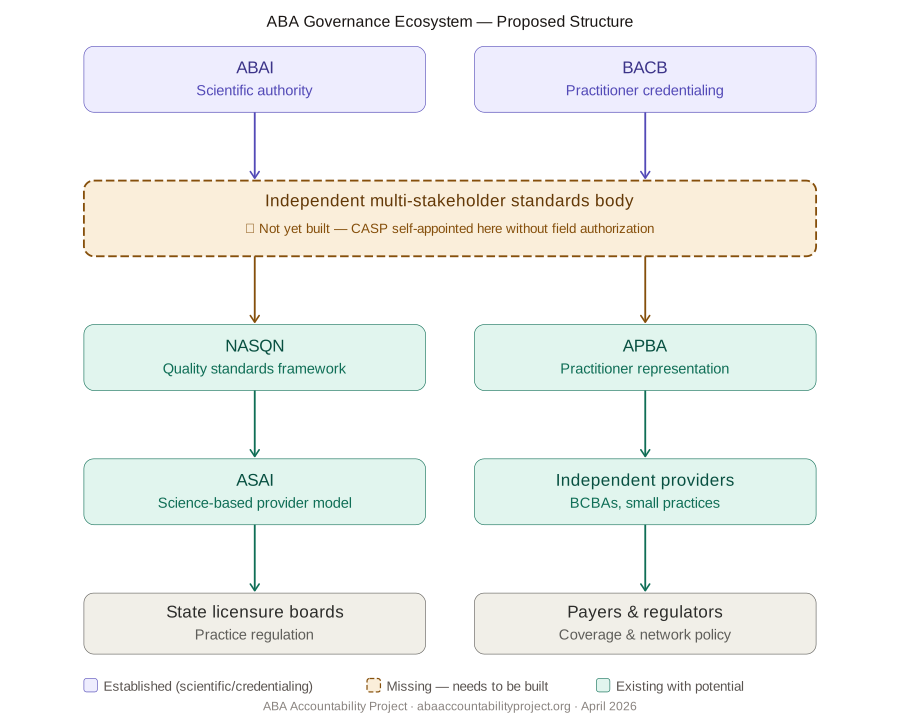
What ABA's governance structure should look like — and what's missing
Every mature healthcare profession separates five governance functions across independent bodies: scientific authority, credentialing, independent standards, practitioner representation, and regulatory oversight. ABA has four of the five. The missing layer — an independent multi-stakeholder standards body — is the vacuum CASP filled by self-appointment.
02 — The Comparison
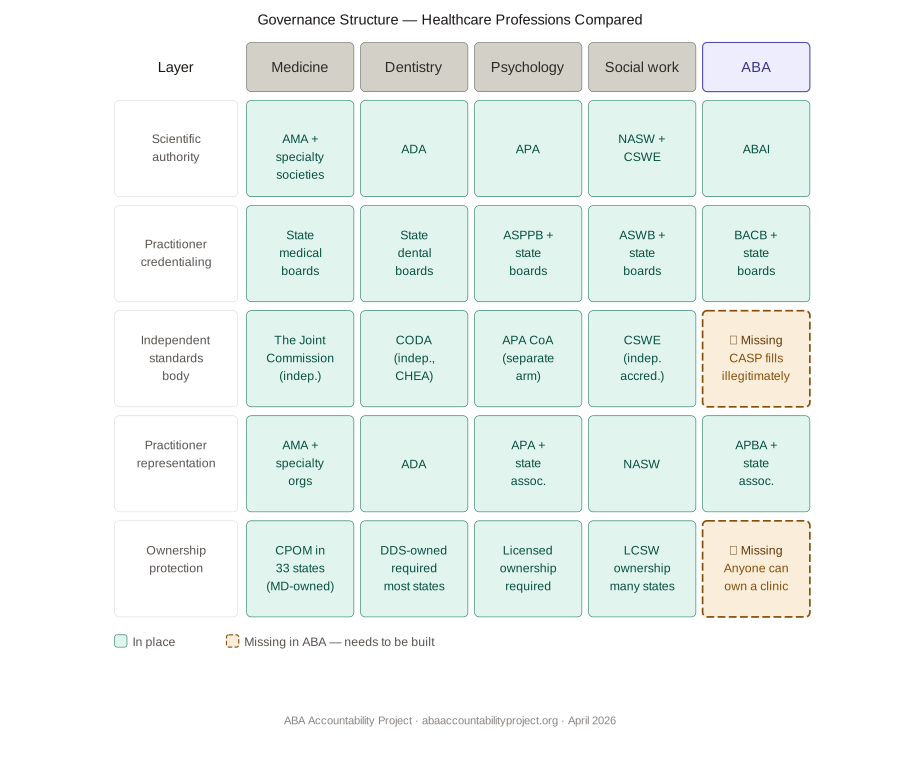
How every comparable profession handles governance — and how ABA compares
Medicine, dentistry, psychology, and social work all have independent standards bodies and ownership protections. ABA is missing both. This is not a coincidence — every other field built these structures before outside capital arrived in force. ABA did not.
03 — The Timeline
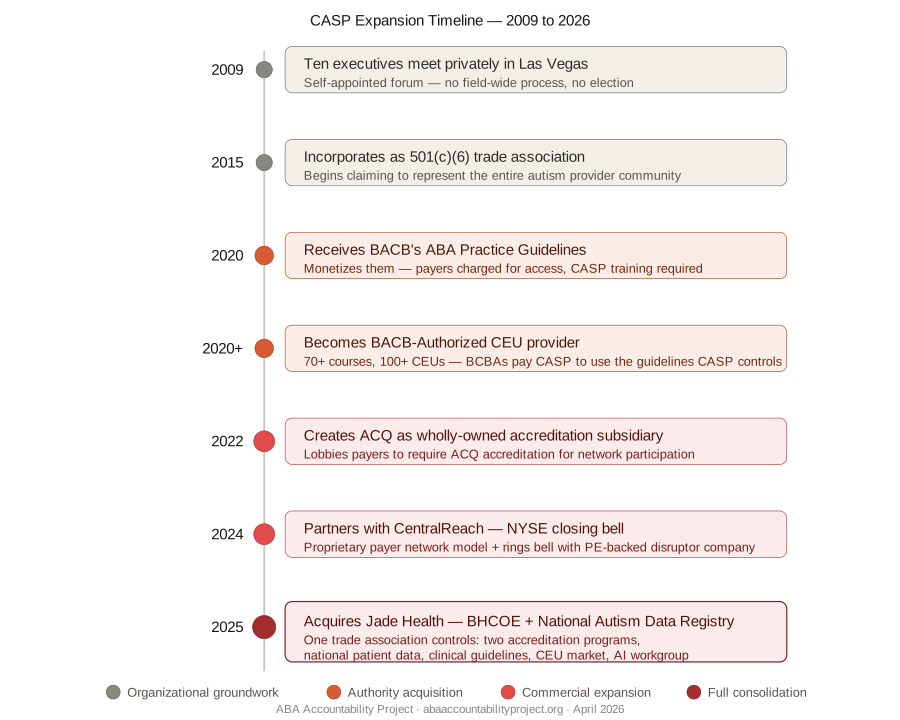
How CASP built its authority — step by step, over more than a decade
What looks like organic institutional growth is, on examination, a systematic acquisition of authority over every layer of the autism services ecosystem. Each step created a new revenue stream and deepened the field's dependency. Each step was taken without field-wide authorization.
04 — The Loop
The conflict of interest that runs through everything CASP does
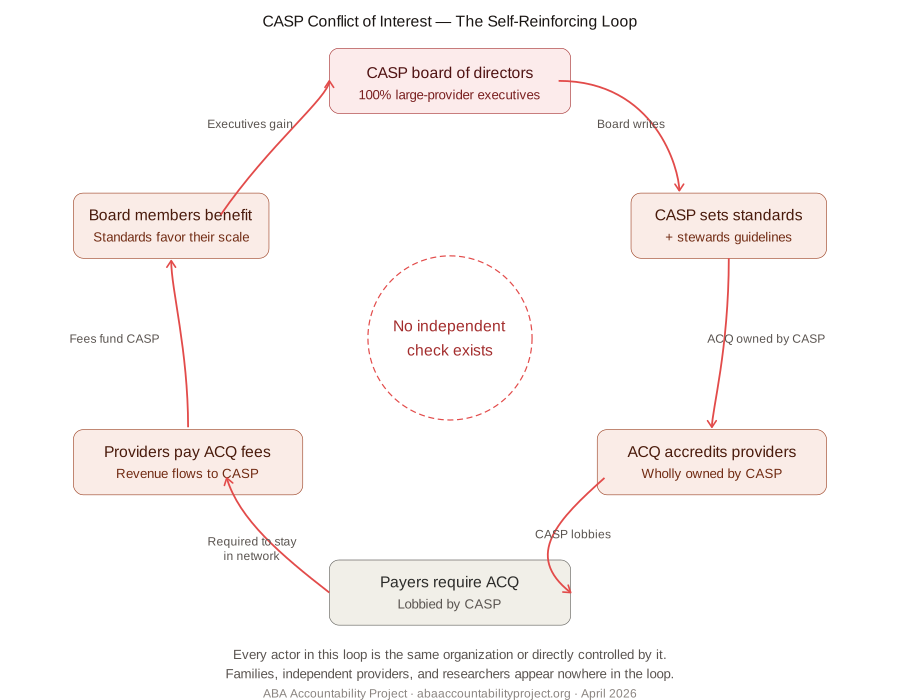
CASP's board sets the standards. CASP's subsidiary accredits compliance with those standards. CASP lobbies payers to require that accreditation. Providers pay fees to stay in networks. Those fees fund CASP. The board members whose organizations benefit from these decisions are the same people making them. There is no independent check anywhere in the loop.
05 — The Standard
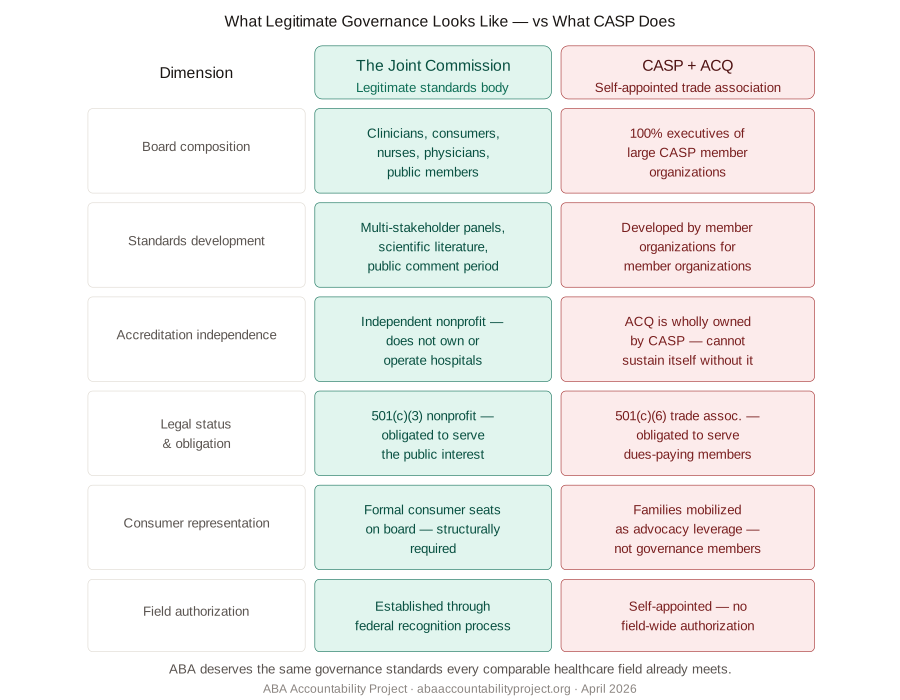
What legitimate governance looks like — and how CASP compares
The Joint Commission accredits hospitals. It has an independent board with consumer representation, a multi-stakeholder standards process, and a 501(c)(3) legal obligation to the public. CASP has a board of large-provider executives, standards developed by member organizations for member organizations, and a 501(c)(6) legal obligation to dues-paying members. These are not equivalent.